Comprehensive Care for Children and Adolescents
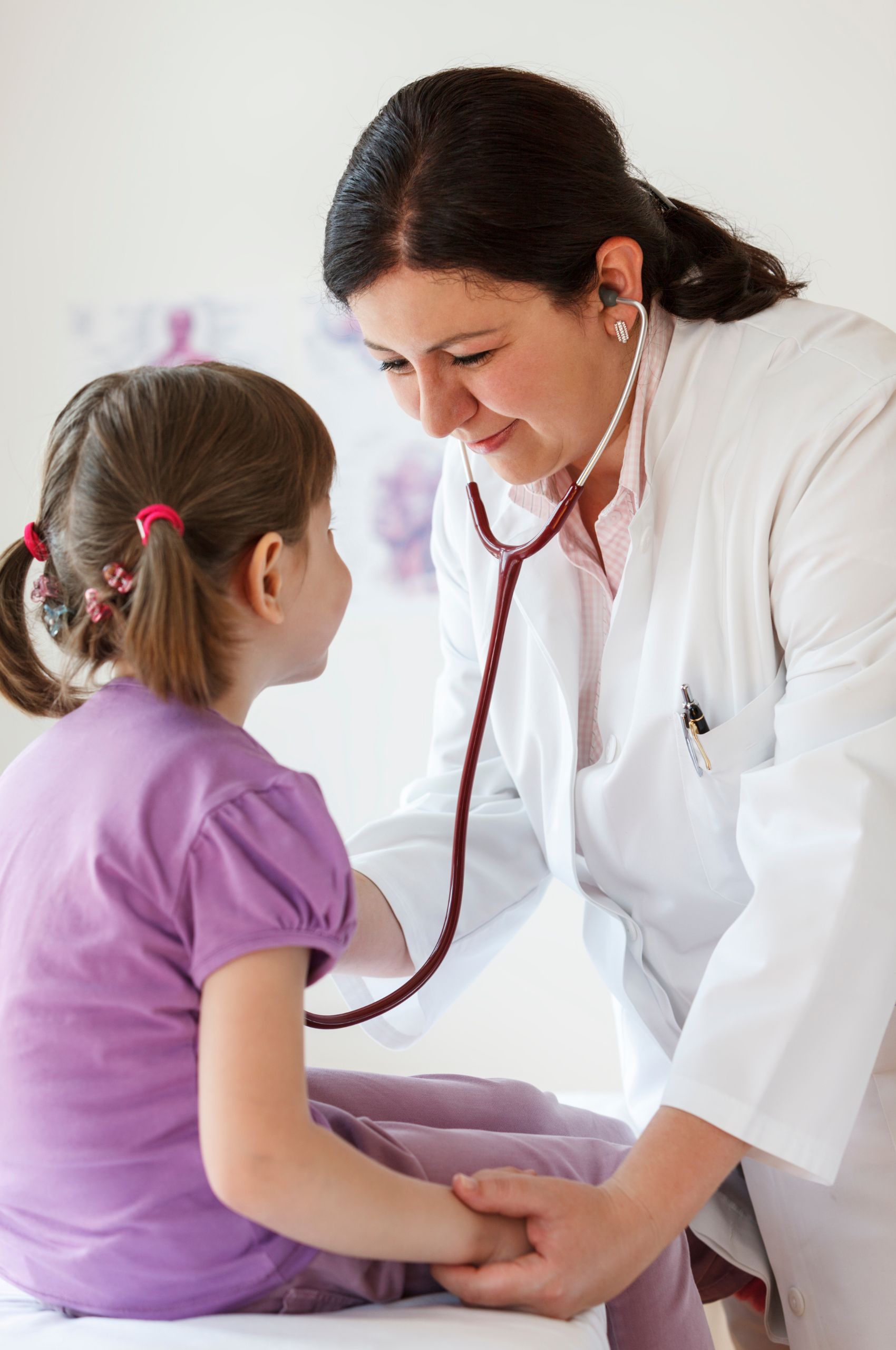
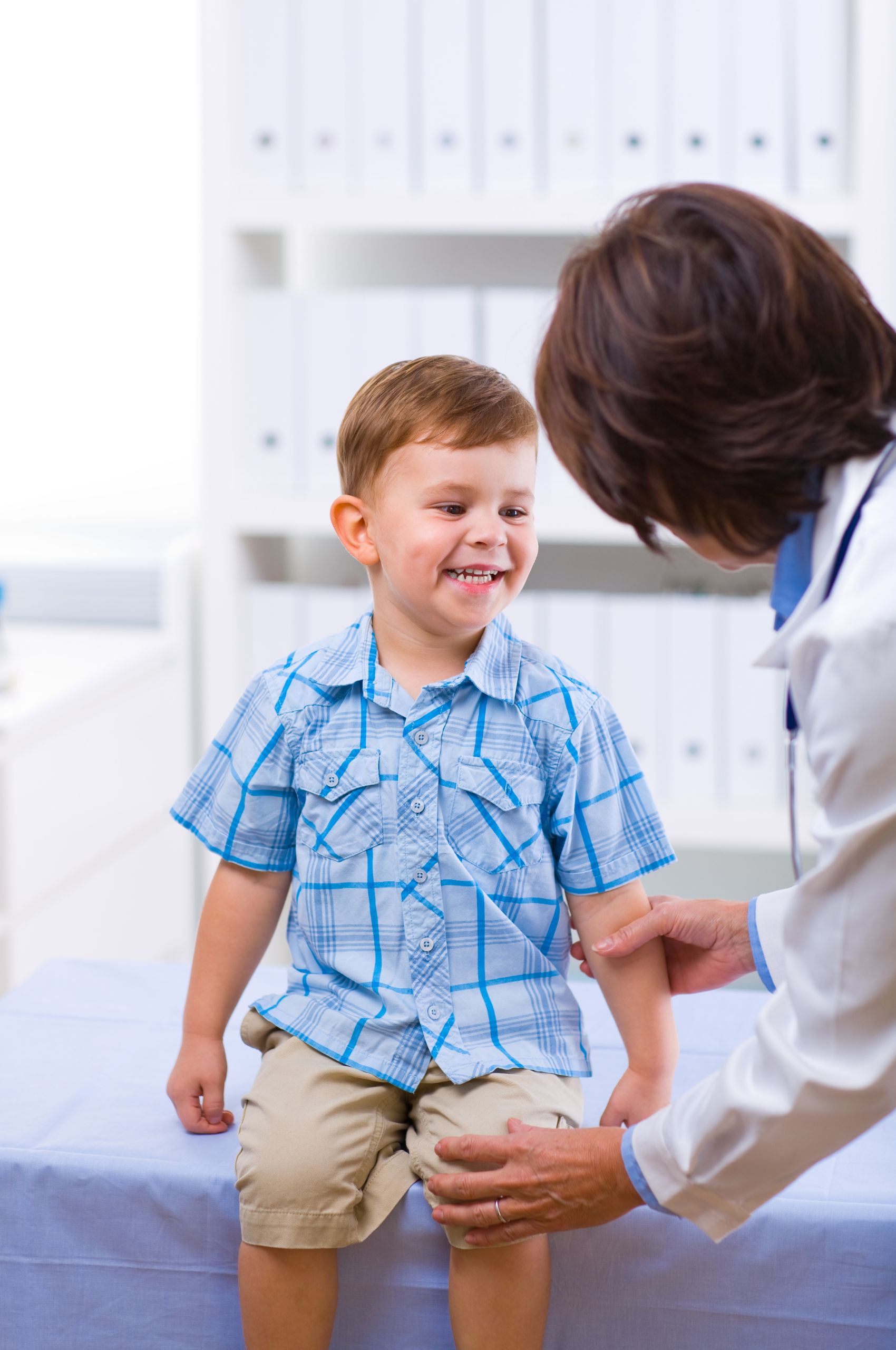
Children require specialised care at every stage of growth and development, and we’re here to care for them with the gentleness and expertise they deserve. From the early years through adolescence, there are many reasons your child may need to see a GP, whether it’s a common virus, skin conditions, growth or nutrition concerns, immunisations, fevers, infections, chronic illnesses, or injuries.
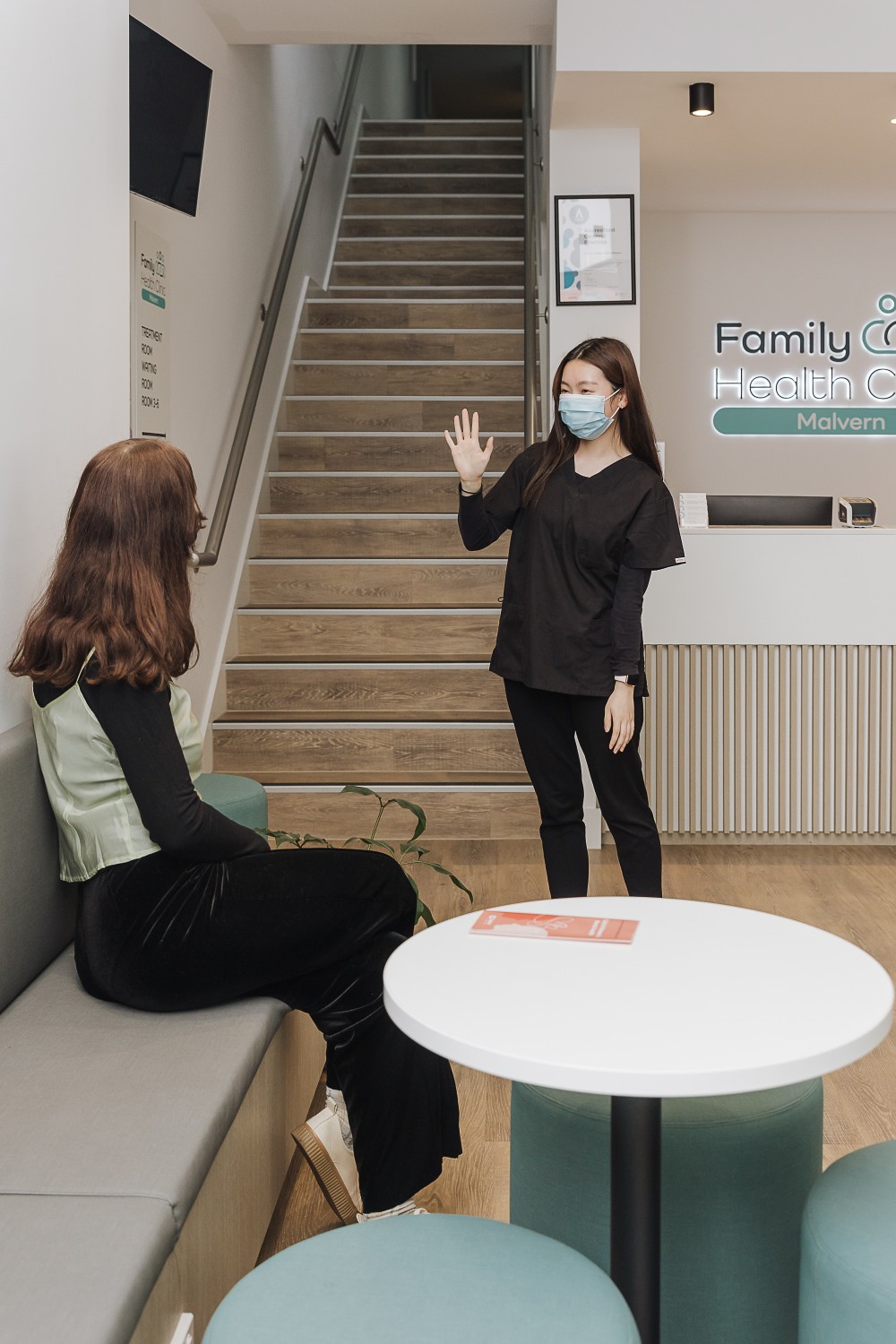
The doctors at Family Health Clinic Malvern combine a warm, reassuring approach with years of experience in paediatric health, ensuring every visit is as comfortable as possible for both child and caregiver. We take the time to ask the right questions, listen carefully, and provide clear guidance so you feel confident about your child’s health and wellbeing.
At Family Health Clinic Malvern, we’re committed to supporting your child’s growth and development every step of the way, because healthy children mean happy families.
Overall Health & Wellbeing
The GPs are committed to supporting your health journey by detecting existing or potential issues and providing clear, practical education around physical, emotional, and social health concerns. This proactive approach helps you maintain the best possible quality of life.
Book a Child Health Appointment
The doctors at Family Health Clinic Malvern provide compassionate care for infants, children, and adolescents. Booking your health assessment is easy. Simply schedule online or call our clinic to arrange a time that suits you
Book an Appointment today to discuss your child’s health, development, or immunisation needs.
Our Practitioners

Dr Nadim Taoum
MBBS, FRACGP, MHA, DCH
General Practitioner | Founder

Dr Reza Sabry
MD, FRACGP
General Practitioner
Frequently asked questions
What vaccines should my child receive as part of the National Immunisation Program in Australia?
The National Immunisation Program provides the routine childhood immunisations recommended for all children in Australia, free of charge. This helps to protect them from the most severe childhood infections, some of which may threaten their lives.
At Birth, the child receives the Hepatitis B vaccine
2 months(from 6 weeks) and 4 months the child would receive :
Infanrix hexa (Diphtheria-tetanus-pertussis,poliomyelitis-hepatitis BHaemophilus influenzae type b); Prevenar 13 (Pneumococcal); and oral Rotarix ( Rotavirus)
At 6 months: Infanrix hexa
At 12 months: Priorix or M-M-R-II (Measles-mumps-rubella); Nimenrix (Meningococcal
ACWY); Prevenar 13 (Pneumococcal).
At 18 months: PriorixTetra or ProQuad (Measles-mumps-rubella-varicella); Infanrix or
Tripacel (Diphtheria-tetanus-pertussis); ActHIB (Haemophilus influenzae type b).
At 4 Year of age: Infanrix IPV or Quadracel (Diphtheria-tetanus- pertussis-poliomyelitis).
Is there any recommendations for additional vaccines?
Influenza can be severe for young children. Yearly influenza immunisation is accessible through the NIP for all children aged 6 months to less than 5 years and for people with certain medical conditions that make them more likely to get severe influenza.
For infants aged < 6 months of age, 3 primary doses of Bexsero (4CMenB) plus a booster at age 12 months are recommended. The first dose of 4CMenB may be administered as early as 6 weeks of age to align with the National Immunisation Program infant schedule. For older infants, adolescents and adults whom the vaccine is recommended for, the dosing schedule varies based on the age of the first dose.
What does it mean if my child has a developmental delay?
Children develop many skills in their early years of life. These skills include the development of speech and language, motor skills, self-help, play, social skills, and problem-solving.
Developmental delay describes when a child is developing skills more slowly than other children in the same age group. When more than one area of development is affected, the term Global Development Delay may be used. All children with developmental delay still have the potential to learn and develop. There are many services that can assess and support children with developmental delay.
What should I do if my child has a fever?
Your child has a fever when their temperature reads above 38°C on a thermometer. Your child may also be unwell and hot to touch, irritable or crying, more sleepy than usual vomiting or refusing to drink, shivering or in pain.
Fevers are common in children; A fever itself rarely causes harm and can help fight an infection; If your child seems well and is happy, there is no need to treat a fever; If your child is under three months and has a fever above 38°C, take them to the doctor, even if they have no other symptoms; Take your child to the doctor if they seem to be getting worse or have a prolonged fever.
What are some common health problems in teenagers?
Young people are neither overgrown children nor mini-adults. The period of adolescence is characterised by its own set of health issues and a unique developmental context that produces health issues specific to this time of life. In particular:
- The causes of ill health in young people are primarily psychosocial rather than biological
- Young people often engage in behaviours that present risks to their health but reflect the adolescent developmental processes of experimentation and exploration
- Young people often lack awareness of the harm associated with risk-taking behaviours and do not yet have the skills to protect themselves
- Young people lack knowledge about how and where to seek help for their health concerns
- Developmental difficulties and conditions related to pubertal growth commonly occur in adolescence