

Comprehensive Care for Every Stage of Life
Women’s health consultations may address menstrual concerns, sexual and reproductive health, pregnancy-related care, preventive healthcare, mental wellbeing, chronic conditions and general medical concerns. Your GP will listen to your priorities, review relevant history and discuss appropriate options based on your circumstances.
You may choose the doctor you feel comfortable seeing and, where possible, continue with the same GP over time. Referral or further investigation may be recommended when appropriate.
What to Expect
Make an Appointment
Book an appointment that works for you.
Talk to Us
Discuss your health concerns with your GP.
Make a Plan
Your GP may develop a management plan and discuss suitable care options.
Follow Up
Follow-up consultations may help review progress and adjust your plan where needed.
Seek help today. Make an appointment to speak to us.

Mental & Physical Wellbeing
True health is more than the absence of illness; it’s about feeling balanced, strong, and supported in both body and mind. At Family Health Clinic Malvern, we understand that mental and physical wellbeing are deeply connected, and challenges in one area often affect the other. Whether you’re managing stress, struggling with energy, or have concerns about your general wellbeing, our caring team is here to listen and guide you.
We offer personalised care that includes mental health support, lifestyle advice, and preventive strategies to support your overall wellbeing. Your wellbeing matters, and we’re committed to walking this journey with you. Speaking with a GP may help, and support is available through our mental health consultations.

Mental Health and Social Factors
Mental health can be influenced by a range of biological, psychological and social factors, as well as individual circumstances and life experiences. If you have concerns about your mood, anxiety, stress or other aspects of your mental wellbeing, you can discuss them with your GP, who may recommend appropriate support or further assessment.
Sexual & Reproductive Health
Sexual and reproductive health is an area of healthcare that has undergone significant change over the past few decades as the social landscape has shifted.
Women these days are pursuing studies, relationships, and travel, and often aren’t “settling down” until well into their 30s, so the opportunity for unwanted pregnancy and STIs [sexually-transmissible infections] can cover 20 years.
This means GPs may play an important role in helping prevent unwanted pregnancies by providing good contraceptive counselling and screening for STIs. GPs can also help improve health literacy by educating patients on developments in best practices in sexual and reproductive health.
We also recommend a good & healthy diet to support women’s health, and maintaining balanced nutrition can play an important role in overall wellbeing, including healthy weight management.

Illness and Disease Don’t Discriminate
Women’s health is often associated with reproductive care, but it extends far beyond that. Many health conditions can affect women throughout different stages of life, and some may develop quietly without obvious early symptoms.
For example, while cardiovascular disease (CVD) is often associated with men, women also face a significant risk, particularly as they age. Women tend to develop CVD later in life due to the protective effects of oestrogen before menopause. Cardiovascular risk can change with age and menopause and should be considered in the context of each person’s individual circumstances and risk factors.
Other important health concerns for women include:
- Bowel cancer, which remains a common cancer affecting women.
- Early-onset dementia, which is increasingly recognised as an important health issue.
- Alcohol-related health risks, which can affect women at different stages of life.
Regular health checks and open conversations with a GP may help identify potential risks earlier, and many women benefit from regular health assessments and ongoing chronic disease management where appropriate.
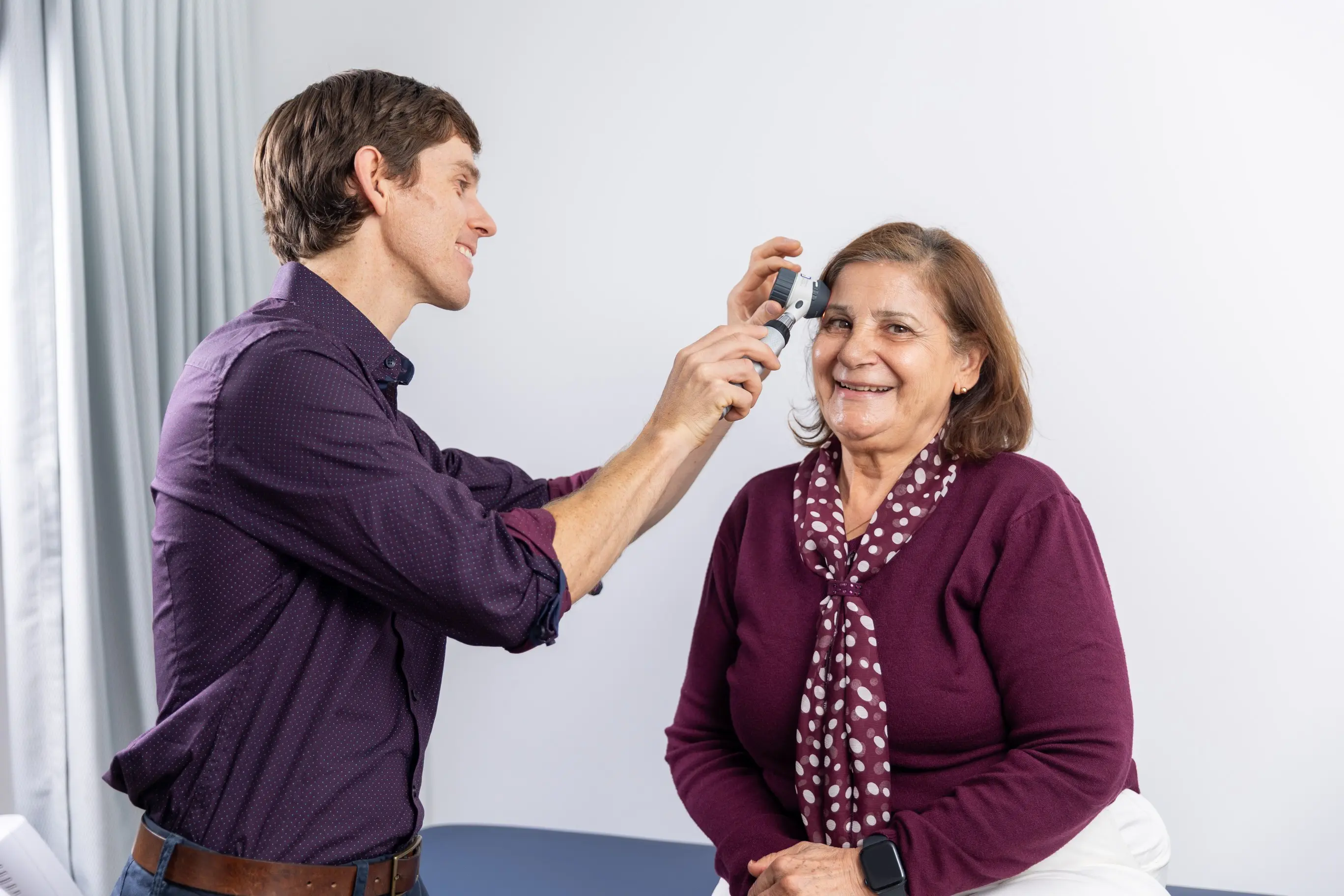
Take the Next Step in Your Health
Looking after your health is important at every stage of life. Whether you have a specific concern or simply want to stay on top of your wellbeing, speaking with a GP can help you understand your options and plan the next steps.
Our clinic provides women’s health consultations covering preventive care, reproductive health, mental wellbeing, and general medical care.
Book an appointment today to discuss your health with a GP.
Practitioners
Frequently Asked Questions
What is the role of GPs in sexual and reproductive health?
GPs play an important role in sexual and reproductive health, especially in helping prevent unwanted pregnancies and sexually transmissible infections (STIs). They can provide contraceptive counselling and STI screening and may educate patients about evidence-based approaches in sexual and reproductive health.
What are some common health issues in women that often go unnoticed?
Apart from widely recognised risks, women may also face an increased risk of cardiovascular disease (CVD), particularly after menopause. Bowel cancer is another condition that can affect women. Early-onset dementia and alcohol-related health risks across different stages of life are also important considerations.
Are women more likely to present with mental health issues than men?
Mental health concerns can affect anyone and may be influenced by biological, psychological and social factors. If you have concerns about your mental wellbeing, your GP can discuss appropriate assessment, support and care options based on your circumstances.
Why is it important to have an ongoing relationship with a GP for a woman?
Regular visits to a GP can support a woman’s overall health. A GP can provide personalised advice and discuss appropriate tests based on individual circumstances, such as smoking status, risk of diabetes, heart disease, osteoporosis, and family history of certain conditions.
How can a GP help if a woman is planning a pregnancy?
If a woman is planning a pregnancy, a GP may provide dietary and supplementation advice, organise appropriate tests, and discuss recommended vaccinations where necessary.
What does a GP cover in women's health?
How a GP can help you maintain your health depends on your personal circumstances. Some examples include:
- If you smoke, your GP can provide counselling and discuss treatment options that may help you quit.
- If you developed diabetes during pregnancy or are at higher risk of developing diabetes, your GP may recommend regular blood glucose tests.
- If you have had heart disease, such as angina or a heart attack, your GP may prescribe medication to help reduce the likelihood of recurrence, may monitor your blood pressure, lipids, and glucose, and may provide advice about lifestyle factors such as activity and weight.
- If you have broken a bone easily or have other risk factors for osteoporosis, your GP may organise a bone density test.
- If you have a family history of a particular illness or condition, your GP may suggest blood tests to assess possible inherited risk.
- If you are planning a pregnancy, your GP may provide dietary and supplementation advice, organise tests, and discuss appropriate vaccinations.
- If you are at increased risk of glaucoma, your GP may refer you for an eye examination, which may include an eye pressure test.
- If you are a childcare or healthcare worker, you may require additional immunisations.
- If you are at higher risk of depression or other psychosocial concerns, your doctor may ask questions about your mental health and wellbeing.
The more your GP understands about your health history, the better they can support your ongoing care.