
Take Charge of Your Wellbeing
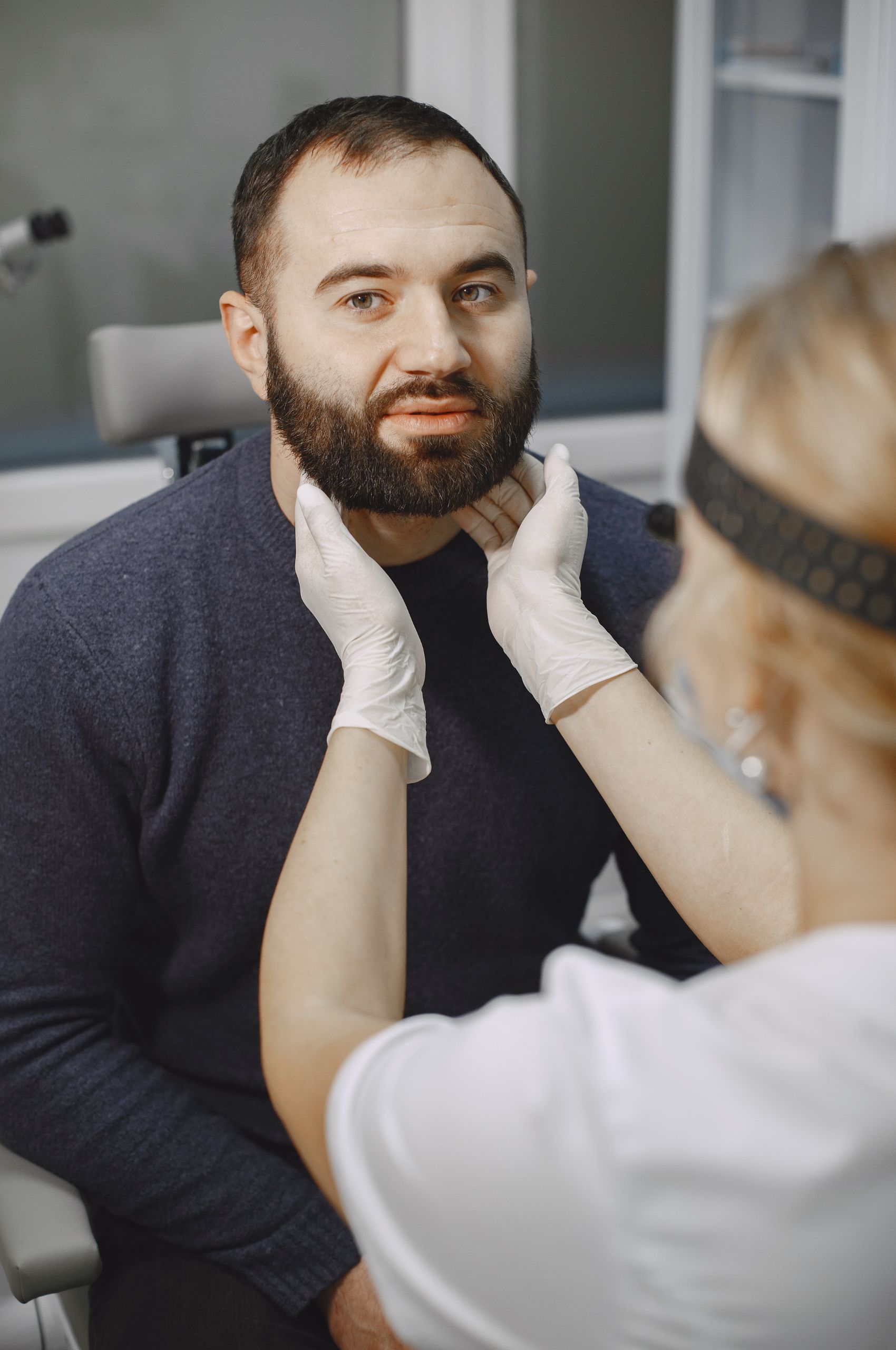
Your health matters, and regular check-ups with your GP are an important way to stay on track. When it comes to health, even small concerns can be worth discussing. An open, honest conversation with your doctor can help you find answers to questions you’ve kept to yourself for too long.
At Family Health Clinic Malvern, we understand that men’s health goes beyond physical wellness. That’s why we offer a respectful and private setting to discuss everything from skin checks and mental health to preventive medicine and lifestyle concerns. Topics like alcohol use or intimate health questions can feel uncomfortable, but they’re important, and we’re here to listen without judgment.
Men’s health services may include discussion of prostate health and appropriate testing, fertility advice, chronic disease management, and mental health support. By prioritising your wellbeing today, you’re taking a proactive step in managing your health. Book an appointment to discuss any health concerns with a GP.
What to Expect
Make an Appointment
Book an appointment that works for you.
Talk to Us
Discuss your health concerns with your GP.
Make a Plan
Your GP may develop a management plan and discuss suitable care options.
Follow Up
Follow-up consultations may help review progress and adjust your plan where needed.
Seek help today. Make an appointment to speak to us.

Health Problems in Men
Men may experience a range of health concerns at different stages of life. A GP can discuss physical and mental health, lifestyle factors, sexual and reproductive health, chronic conditions and other general medical concerns. Individual risk factors and healthcare needs vary, so assessment and recommendations are based on each person’s circumstances.
Illnesses and Diseases
Men’s health extends beyond reproductive health and can include cardiovascular health, cancer risk, injury prevention and chronic health conditions. Your GP can review relevant factors such as your age, medical and family history, lifestyle and existing health conditions, and discuss appropriate checks, investigations or referrals where clinically indicated.


Mental Health
Mental health concerns can affect people in different ways. Changes in mood, stress, sleep, behaviour, substance use or emotional wellbeing can be discussed with a GP, who can consider your individual circumstances and discuss appropriate support or further assessment.
If you are experiencing changes in mood, stress, or emotional wellbeing, speaking with a GP may help, and support is available through our mental health consultations.
Reproductive and Sexual Health Problems in Men
Sexual and reproductive health concerns can occur at different stages of adulthood and may include:
- Prostate and urinary concerns that may require assessment or further investigation.
- Erectile dysfunction, which may have physical, psychological or a combination of contributing factors.
- Concerns about hormone levels or symptoms that may warrant further assessment.

Why Regular Check-Ups Matter
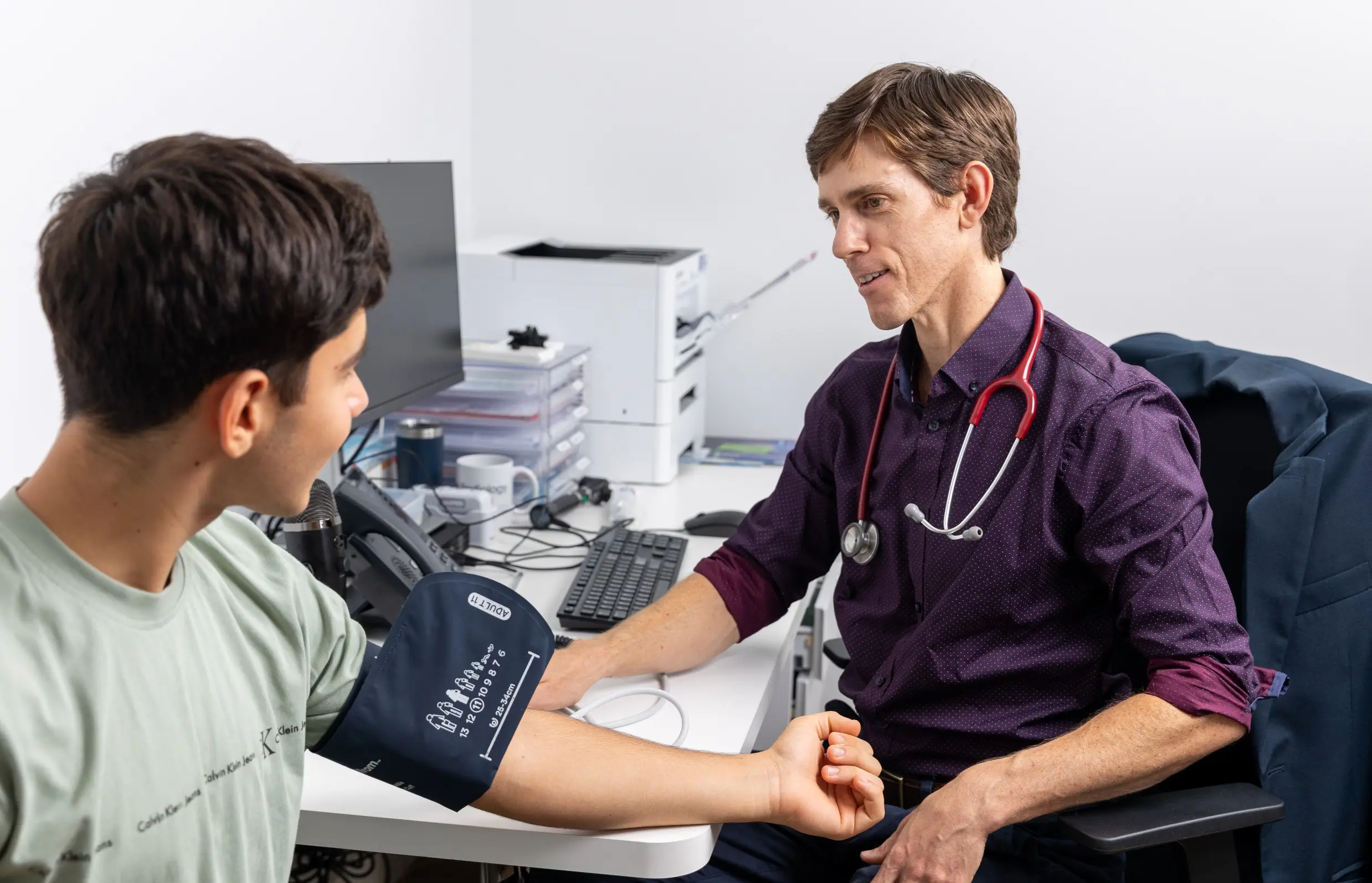
Men’s health deserves attention, not just when something feels wrong, but as part of a proactive approach to living well. Many health concerns may not cause obvious symptoms in their early stages. Regular check-ups with your GP, including health assessments, may help identify relevant risk factors or health concerns and support appropriate follow-up and ongoing care.
Looking after your health isn’t just about physical wellbeing; it’s about feeling confident, staying active, and being there for the people who matter most. An open conversation with your doctor can address concerns you’ve kept to yourself, from stress and lifestyle habits to preventive care. Book an appointment if you would like to discuss your health concerns or preventive healthcare needs with a GP.
Our Practitioners

Dr Nadim Taoum
MBBS, FRACGP, MHA, DCH
General Practitioner | Founder

Dr Reza Sabry
MD, FRACGP
General Practitioner
Frequently Asked Questions
What are the main health problems faced by men?
What factors can affect heart health?
What mental health concerns can I discuss with my GP?
What reproductive and sexual health concerns can I discuss with a GP?
Can I discuss cancer risk and screening with my GP?